

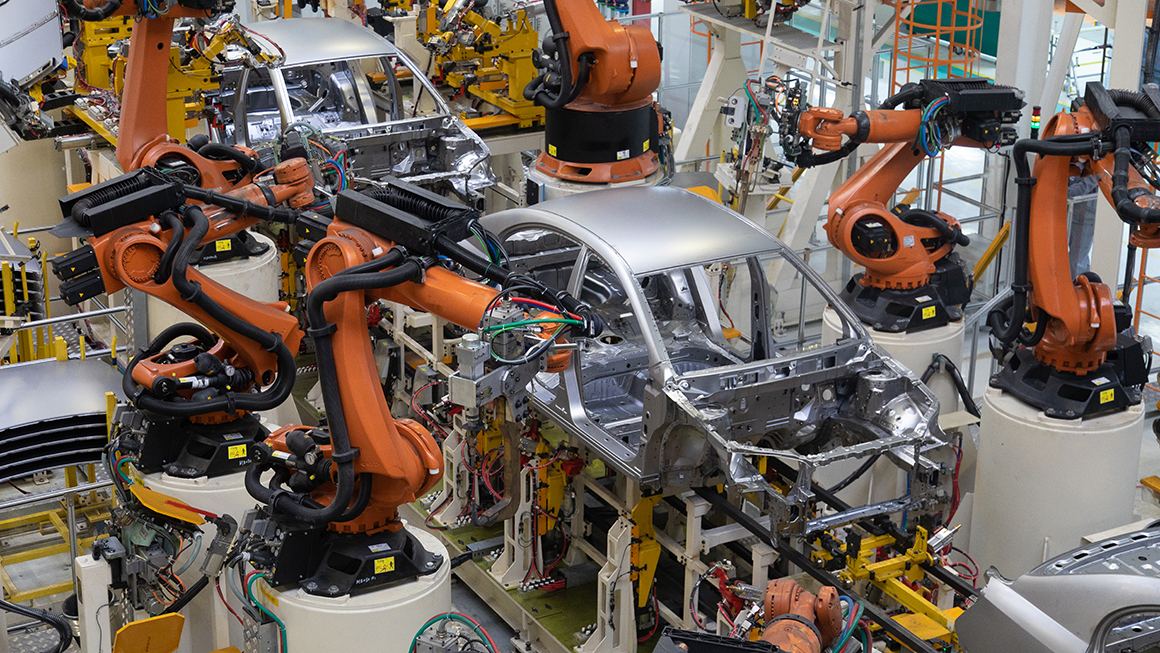
The automotive industry stands at a pivotal moment in its long history. From the first mass-produced vehicles to today’s intelligent, software-driven cars, autos have continuously evolved to meet human needs for mobility, comfort, and efficiency. Today, innovation is accelerating faster than ever, reshaping how vehicles are designed, built, and driven.
A Brief Evolution of Automobiles
The journey of the automobile began with simple mechanical engineering and gradually transformed into a complex blend of hardware and software.
Key milestones include:
-
The introduction of mass production, making cars affordable for the average consumer
-
Advancements in internal combustion engines for improved performance
-
The integration of electronics and onboard computers
-
The emergence of electric and hybrid vehicles
Each stage brought new capabilities while redefining expectations around safety, efficiency, and convenience.
Modern Automotive Technology
Today’s vehicles are no longer just machines; they are intelligent systems designed to interact with drivers and their environment.
Notable innovations shaping modern autos:
-
Advanced Driver Assistance Systems (ADAS) such as lane-keeping and adaptive cruise control
-
Infotainment systems with touchscreens, voice control, and smartphone integration
-
Connected car technology enabling real-time updates and remote diagnostics
-
Lightweight materials improving fuel efficiency without compromising safety
These features enhance both driving comfort and overall road safety.
The Rise of Electric Vehicles
Electric vehicles (EVs) represent one of the most transformative shifts in the auto sector. With growing environmental concerns and advancements in battery technology, EV adoption is steadily increasing worldwide.
Benefits of electric vehicles:
-
Reduced carbon emissions
-
Lower maintenance costs due to fewer moving parts
-
Quieter operation and smoother acceleration
-
Increasing access to charging infrastructure
Governments and manufacturers alike are investing heavily to accelerate this transition.
Safety and Sustainability in Focus
Safety has always been central to automotive design, but modern standards go far beyond seatbelts and airbags.
Current priorities include:
-
Crash-avoidance technologies powered by sensors and cameras
-
Improved structural integrity using high-strength steel and composites
-
Sustainable manufacturing processes that reduce waste and energy use
-
Recycling and reuse of materials, particularly batteries and plastics
Sustainability is now seen as a long-term commitment rather than a short-term trend.
The Future of the Auto Industry
Looking ahead, the automotive landscape will continue to evolve as technology and consumer expectations change.
Emerging trends to watch:
-
Autonomous driving, gradually reducing human intervention
-
Increased use of artificial intelligence in vehicle decision-making
-
Expansion of shared mobility services
-
Greater focus on software-defined vehicles
The car of the future will be less about ownership and more about seamless mobility experiences.
Conclusion
The auto industry has entered a dynamic era defined by innovation, responsibility, and digital transformation. As vehicles become cleaner, smarter, and safer, they will play a crucial role in shaping sustainable transportation systems worldwide. Understanding these changes helps consumers and businesses prepare for what lies ahead on the road.
Frequently Asked Questions (FAQ)
1. What defines a modern automobile today?
A modern automobile combines mechanical engineering with advanced electronics, software, and connectivity features.
2. Are electric vehicles suitable for long-distance travel?
Yes, with improving battery ranges and expanding charging networks, EVs are increasingly practical for long trips.
3. How does automotive technology improve safety?
Through systems like collision warnings, automatic braking, and driver assistance features that reduce human error.
4. What materials are commonly used in modern car manufacturing?
Manufacturers use high-strength steel, aluminum, composites, and recycled materials to balance safety and efficiency.
5. Will autonomous cars completely replace human drivers?
In the near future, autonomous systems will assist drivers rather than fully replace them in most regions.
6. How is sustainability influencing car design?
Sustainability drives the use of cleaner energy sources, recyclable materials, and eco-friendly production methods.
7. What skills are becoming important in the automotive workforce?
Software development, data analysis, and electrical engineering are increasingly valuable alongside traditional mechanical skills.