

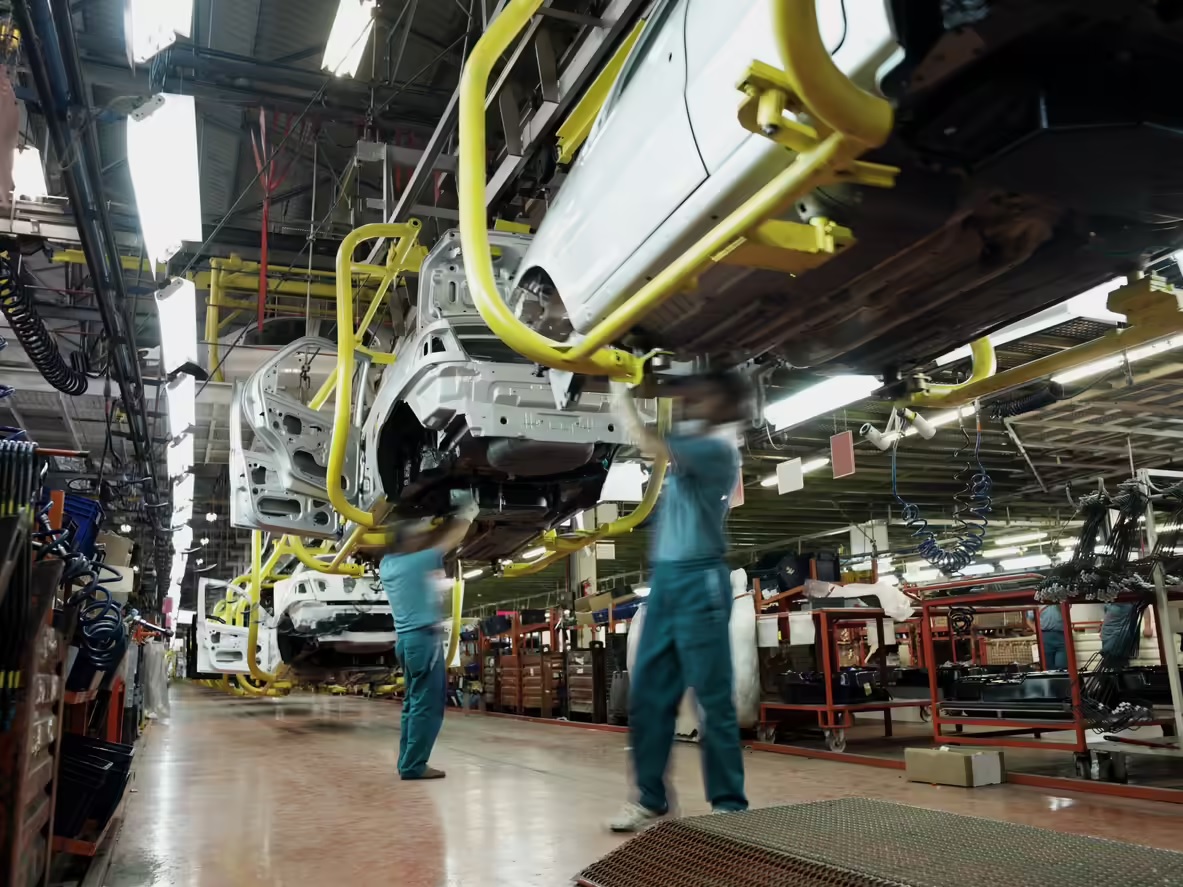
The auto industry has been a cornerstone of technological innovation and global economic development for over a century. From the invention of the first mass-produced cars to the integration of artificial intelligence and autonomous driving, the automotive sector continues to redefine mobility. Understanding this dynamic industry requires examining its history, technological advancements, environmental impacts, and emerging trends shaping the future of transportation.
The Historical Evolution of the Automobile
Early Innovations and Mass Production
The journey of automobiles began in the late 19th century with inventors such as Karl Benz and Henry Ford. The introduction of the Model T by Ford in 1908 revolutionized manufacturing by introducing assembly line production. This innovation made cars affordable to the average American, democratizing mobility and transforming urban landscapes.
- Karl Benz: Invented the first practical gasoline-powered car in 1885.
- Henry Ford: Pioneered mass production techniques, significantly reducing costs.
- Impact on Society: Cars became symbols of personal freedom and economic progress.
Expansion and Global Influence
By the mid-20th century, automobiles had become a global phenomenon. European manufacturers contributed precision engineering and luxury models, while American brands emphasized affordability and performance. The post-war economic boom accelerated car ownership, creating new industries, including automotive financing, insurance, and road infrastructure development.
Key Technological Advancements in Modern Autos
Engine and Powertrain Innovations
Modern vehicles feature significant advancements in engine efficiency, performance, and sustainability.
- Internal Combustion Engines (ICE): Continuous improvements have increased fuel efficiency and reduced emissions through turbocharging, direct fuel injection, and variable valve timing.
- Electric Vehicles (EVs): Powered by lithium-ion batteries, EVs eliminate tailpipe emissions and provide instant torque for superior acceleration.
- Hybrid Systems: Combine ICE and electric motors to optimize fuel economy without sacrificing performance.
Safety and Driver Assistance Technologies
Safety remains a top priority in automotive design. Modern autos integrate advanced driver-assistance systems (ADAS) to prevent accidents and protect occupants.
- Adaptive Cruise Control: Maintains safe distances automatically.
- Lane-Keeping Assist: Reduces the risk of unintentional lane departure.
- Automatic Emergency Braking: Detects obstacles and applies brakes when necessary.
- Advanced Airbag Systems: Adapt to the severity of collisions to minimize injuries.
Connected Car Technology
Connectivity transforms vehicles into smart, interactive platforms that enhance convenience, efficiency, and safety.
- Telematics Systems: Provide navigation, diagnostics, and remote control features.
- Vehicle-to-Everything (V2X) Communication: Enables cars to communicate with traffic signals, infrastructure, and other vehicles.
- Infotainment Integration: Seamlessly connects smartphones for music, calls, and apps while minimizing driver distraction.
Environmental Impacts and Sustainability
The auto industry has faced increasing scrutiny over its environmental footprint. Both manufacturers and consumers are adopting sustainable solutions to reduce emissions and resource consumption.
- Emission Standards: Governments worldwide enforce strict regulations, pushing manufacturers toward cleaner alternatives.
- Electric Mobility: EV adoption reduces dependency on fossil fuels, though battery production poses environmental challenges.
- Recycling and Lifecycle Management: End-of-life vehicle recycling helps recover valuable materials and minimize landfill waste.
Challenges in Achieving Full Sustainability
While EVs and hybrids are steps forward, challenges remain:
- Battery Production: Mining lithium, cobalt, and nickel has environmental and ethical implications.
- Charging Infrastructure: Widespread adoption requires investment in fast-charging networks.
- Grid Demand: A surge in EVs increases electricity demand, necessitating cleaner energy sources.
The Rise of Autonomous Vehicles
Autonomous vehicles (AVs) represent a transformative shift in the auto industry. Using a combination of sensors, AI algorithms, and real-time data, these vehicles aim to eliminate human error and improve traffic efficiency.
- Levels of Automation: Ranging from Level 1 (driver assistance) to Level 5 (full autonomy).
- Sensor Technologies: Include LiDAR, radar, cameras, and ultrasonic sensors for accurate environment detection.
- Artificial Intelligence: Processes data from multiple sensors to make driving decisions in real-time.
Benefits and Potential Risks
- Benefits: Reduced accidents, improved traffic flow, enhanced mobility for the elderly and disabled, and lower operational costs for commercial fleets.
- Risks: Cybersecurity threats, regulatory challenges, and the need for public acceptance.
Trends Shaping the Future of Autos
Electrification and Green Mobility
The shift toward electric mobility is accelerating, driven by climate policies and consumer demand for sustainable vehicles. Manufacturers are investing heavily in battery technology, lightweight materials, and energy-efficient designs.
Shared Mobility and Urban Transformation
Urbanization and congestion issues are promoting shared mobility solutions:
- Ride-Hailing and Car-Sharing: Reduce the need for personal vehicle ownership.
- Micro-Mobility: E-scooters, e-bikes, and compact electric vehicles offer efficient solutions for short-distance travel.
Integration of Artificial Intelligence
AI is no longer limited to autonomous driving but extends to predictive maintenance, personalized driving experiences, and traffic optimization. Machine learning algorithms analyze driving behavior, road conditions, and vehicle health to deliver safer, more efficient journeys.
The Economic Significance of the Auto Industry
The automobile sector significantly contributes to global economies, providing employment, technological innovation, and trade opportunities.
- Job Creation: Encompasses manufacturing, software development, design, logistics, and after-sales services.
- Global Trade: Vehicles and auto parts are major exports for industrialized countries.
- Technological Spillover: Innovations in materials, batteries, and AI often benefit other sectors.
Common Misconceptions About Autos
Many myths persist in public perception about cars and their technologies:
- EVs Are Not Reliable: Modern EVs have lifespans comparable to ICE vehicles, with fewer moving parts reducing maintenance costs.
- Autonomous Cars Are Unsafe: While early tests faced challenges, AVs have the potential to drastically reduce accidents caused by human error.
- Gas-Powered Cars Will Always Be Cheaper: The total cost of ownership, including fuel, maintenance, and tax incentives, often makes EVs more economical in the long run.
FAQs About Autos
Q: How long do electric vehicle batteries typically last?
A: EV batteries usually last between 8-15 years, depending on usage, temperature, and charging habits. Many manufacturers provide warranties covering 8 years or 100,000 miles.
Q: Are hybrid vehicles more environmentally friendly than fully electric cars?
A: Hybrids reduce fuel consumption and emissions compared to conventional ICE vehicles but still rely on fossil fuels. Fully electric vehicles produce zero tailpipe emissions but have environmental considerations in battery production.
Q: What are the main challenges facing autonomous vehicles?
A: Challenges include legal and regulatory approval, public trust, cybersecurity, sensor limitations in adverse weather, and ethical considerations in accident scenarios.
Q: How can drivers extend the life of their car?
A: Regular maintenance, timely oil changes, tire rotations, careful driving habits, and adherence to manufacturer guidelines can significantly extend vehicle longevity.
Q: What impact does the auto industry have on global employment?
A: The auto industry directly and indirectly supports millions of jobs worldwide, including manufacturing, logistics, research and development, and retail sectors.
The auto industry continues to be a transformative force, shaping the way people live, work, and move. Its integration of cutting-edge technology, focus on sustainability, and exploration of autonomous solutions highlight its pivotal role in building the future of mobility. With evolving consumer demands and technological breakthroughs, automobiles will remain at the forefront of innovation, redefining transportation for generations to come.