

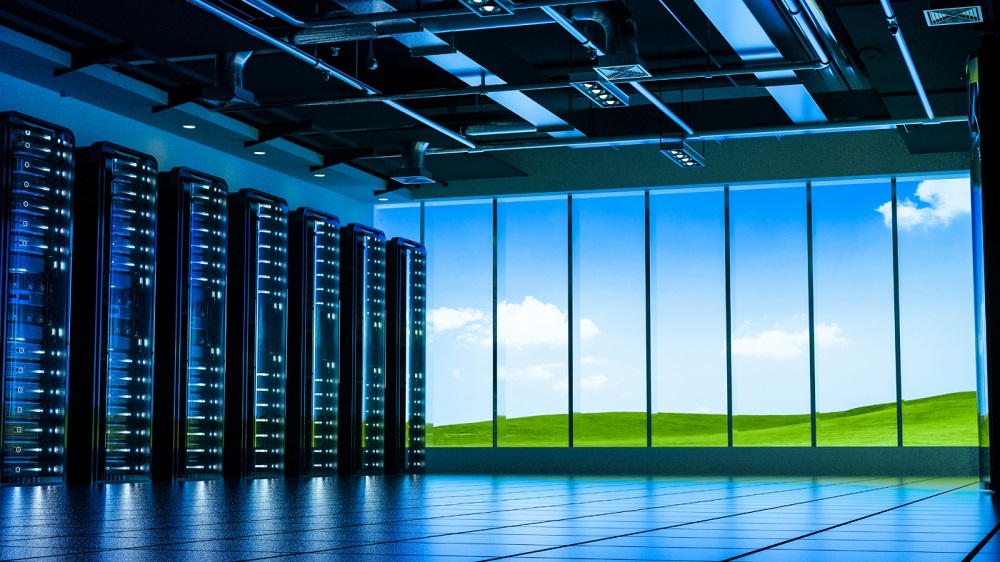
The rapid growth of cloud computing, artificial intelligence, and connected devices has made data centers the backbone of modern life. Yet these facilities consume vast amounts of electricity and water, contributing significantly to global carbon emissions. As digital demand accelerates, the need for sustainable data centers has shifted from a corporate initiative to an environmental necessity.
Sustainable data centers aim to reduce environmental impact through efficient design, renewable energy adoption, advanced cooling systems, and smarter resource management. The objective is clear: maintain performance while lowering carbon intensity.
Why Data Centers Have a Carbon Problem
Data centers operate around the clock, powering servers, storage systems, and networking equipment. Their carbon footprint primarily stems from:
-
High electricity consumption for computing and cooling
-
Reliance on fossil-fuel-based grids
-
Inefficient cooling architectures
-
Embodied carbon in construction materials and hardware manufacturing
According to global energy studies, data centers account for roughly 1–2% of worldwide electricity use. As artificial intelligence workloads expand, energy intensity per facility can rise sharply unless offset by efficiency gains.
Key Strategies for Sustainable Data Centers
1. Renewable Energy Integration
One of the most impactful steps is transitioning from fossil fuels to renewable power sources.
-
On-site solar and wind installations
-
Long-term renewable energy purchase agreements
-
Investment in green energy credits
-
Battery storage for grid stabilization
Major technology companies now power large portions of their facilities with renewable energy, significantly cutting operational emissions.
2. Energy-Efficient Infrastructure
Efficiency starts with hardware and facility design.
-
High-efficiency power supplies
-
Advanced uninterruptible power systems
-
Modular data center construction
-
AI-driven workload optimization
Modern processors also deliver more computational output per watt, improving performance while reducing energy intensity.
3. Advanced Cooling Technologies
Cooling systems often represent nearly 40% of a data center’s total energy usage. Sustainable facilities are adopting smarter alternatives:
-
Hot aisle/cold aisle containment
-
Free-air cooling in suitable climates
-
Liquid immersion cooling
-
Rear-door heat exchangers
Liquid cooling is gaining traction because it transfers heat more efficiently than air, allowing higher-density computing with lower energy input.
4. Water Stewardship
Traditional cooling methods consume large volumes of water. Sustainable operators are minimizing water usage through:
-
Closed-loop cooling systems
-
Recycled or non-potable water usage
-
Real-time water monitoring systems
Water Usage Effectiveness (WUE) is increasingly tracked alongside energy metrics.
5. Sustainable Construction and Design
The environmental footprint of a data center begins before it becomes operational.
-
Use of low-carbon concrete and steel
-
Prefabricated modular components
-
Optimized site selection near renewable sources
-
LEED-certified building standards
Reducing embodied carbon can significantly lower lifecycle emissions.
6. Waste Heat Recovery
Instead of releasing heat into the atmosphere, innovative facilities repurpose it.
-
Heating nearby residential buildings
-
Supporting district heating systems
-
Industrial heat reuse
This transforms waste into value while reducing overall energy demand in surrounding communities.
Measuring Sustainability: Key Metrics
To evaluate environmental performance, operators rely on standardized metrics:
-
PUE (Power Usage Effectiveness): Measures energy efficiency
-
CUE (Carbon Usage Effectiveness): Tracks carbon emissions per unit of IT energy
-
WUE (Water Usage Effectiveness): Monitors water efficiency
Lower values typically indicate improved sustainability performance.
The Role of Artificial Intelligence
Ironically, AI both increases and reduces data center energy use. While training large AI models is energy-intensive, AI also optimizes:
-
Cooling efficiency
-
Workload distribution
-
Predictive maintenance
-
Energy demand forecasting
AI-powered systems can automatically adjust cooling output based on real-time thermal loads, preventing unnecessary power use.
Economic Benefits of Sustainability
Sustainability is not solely about environmental responsibility. It also offers financial advantages:
-
Reduced energy costs
-
Lower regulatory risks
-
Stronger ESG performance ratings
-
Improved brand reputation
Long-term operational savings often outweigh the initial investment in green technologies.
Challenges to Overcome
Despite progress, sustainable transformation faces barriers:
-
High upfront capital costs
-
Grid limitations in renewable integration
-
Supply chain carbon intensity
-
Rapid growth in AI computing demands
Balancing innovation with sustainability remains a complex equation.
The Future of Green Data Infrastructure
The next generation of facilities will likely feature:
-
Fully renewable-powered campuses
-
AI-managed cooling ecosystems
-
Carbon-aware workload shifting
-
Edge data centers closer to users to reduce transmission energy
As global climate targets tighten, sustainability will become a defining metric for digital infrastructure competitiveness.
Frequently Asked Questions (FAQ)
1. What makes a data center “carbon neutral”?
A carbon-neutral facility offsets its total greenhouse gas emissions through renewable energy use, carbon credits, and efficiency improvements so that net emissions equal zero.
2. How does liquid cooling reduce energy consumption?
Liquid cooling transfers heat more effectively than air, reducing the need for energy-intensive air conditioning systems and enabling higher server density with lower power input.
3. Are small data centers less environmentally harmful?
Not necessarily. Smaller facilities can be less efficient than hyperscale centers, which often achieve better PUE scores due to economies of scale.
4. Can renewable energy fully power large data centers?
Yes, but it often requires a combination of on-site generation, grid renewables, energy storage, and long-term power purchase agreements to ensure reliability.
5. What role does edge computing play in sustainability?
Edge computing reduces data transmission distances, lowering network energy usage and improving latency while distributing computational loads more efficiently.
6. How is embodied carbon different from operational carbon?
Embodied carbon refers to emissions from construction materials and manufacturing processes, while operational carbon comes from energy consumption during daily operations.
7. Do sustainability improvements affect data center performance?
Modern sustainable technologies are designed to maintain or even enhance performance while reducing energy use, ensuring environmental responsibility does not compromise reliability.