

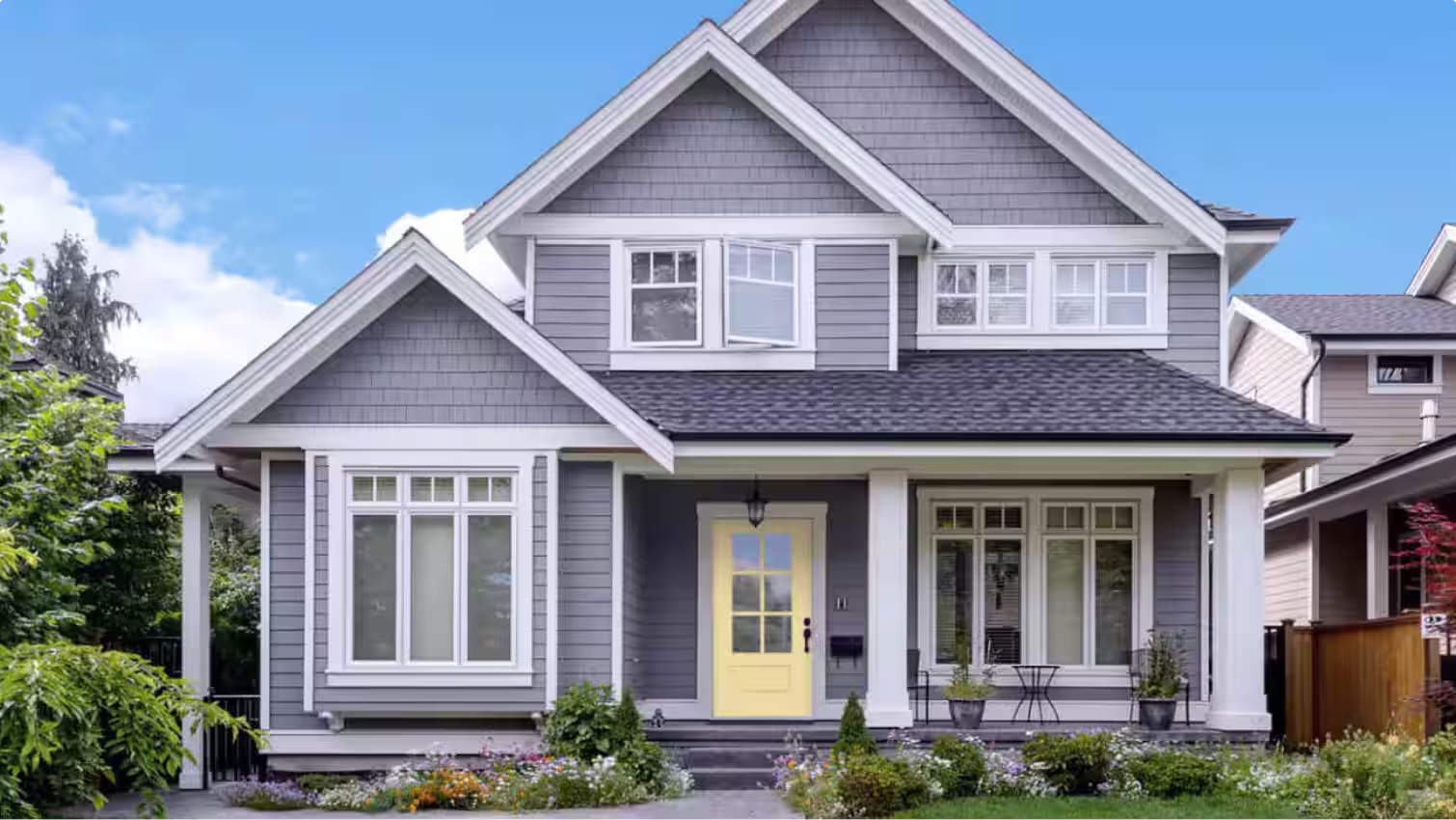
A home is far more than just a physical structure. It is a sanctuary, a space where individuals and families cultivate comfort, security, and a sense of belonging. The concept of home extends beyond architecture and décor; it intertwines with lifestyle, wellness, and personal expression. Whether you own a cozy apartment in a bustling city or a spacious house in the suburbs, the essence of a home revolves around creating a place that supports both daily living and emotional well-being.
Understanding the True Meaning of Home
Home is often defined by more than walls and a roof. Psychologists and sociologists emphasize the emotional and psychological dimensions of home. It serves as a grounding force, providing safety, identity, and a private space to recharge. Here are the critical aspects that make a home truly meaningful:
- Emotional Security: A home offers a retreat from external stressors, helping residents feel safe and protected.
- Identity Expression: From décor choices to architectural style, a home reflects the personalities and values of those who live in it.
- Social Connection: It is the backdrop for family interactions, friendships, and community engagement.
- Health and Well-being: A thoughtfully designed home enhances both physical comfort and mental wellness.
The way a home is designed, organized, and maintained can significantly influence the quality of life. Studies have shown that cluttered, poorly lit, or disorganized spaces can increase stress, whereas a clean, organized, and aesthetically pleasing environment promotes relaxation and productivity.
Key Elements of a Functional Home
Creating a home that balances comfort, functionality, and style requires a strategic approach. Understanding essential elements ensures that your home supports daily routines while reflecting personal taste.
1. Layout and Space Optimization
A home’s layout impacts both functionality and mood. Open layouts foster connectivity and natural light flow, whereas defined rooms provide privacy and structure. Considerations include:
- Flow of Movement: Ensure rooms and hallways allow easy navigation without congestion.
- Zoning: Separate areas for work, relaxation, and socialization improve efficiency.
- Multi-functional Spaces: Rooms that serve dual purposes, such as a guest bedroom and office, maximize utility.
2. Interior Design and Aesthetic
Interior design is the visual representation of a home’s personality. Key aspects include:
- Color Palette: Choose colors that evoke desired emotions. Soft neutrals can promote calmness, while vibrant tones add energy.
- Furniture Arrangement: Ergonomically positioned furniture enhances comfort and encourages social interaction.
- Textures and Materials: Integrating a variety of textures like wood, metal, and fabric adds depth and warmth.
3. Lighting and Ambiance
Lighting is crucial for creating a welcoming and functional home environment. Proper lighting not only brightens spaces but also enhances mood.
- Natural Light: Maximizing sunlight supports circadian rhythms and boosts mood.
- Layered Lighting: Combine ambient, task, and accent lighting to accommodate various activities.
- Smart Lighting: Adjustable LED systems offer convenience and energy efficiency.
4. Storage Solutions and Organization
Effective storage transforms a home from chaotic to calm. Innovative solutions include:
- Built-in Shelving: Utilizes vertical space without cluttering floors.
- Hidden Storage: Furniture with concealed compartments keeps essentials organized.
- Decluttering Practices: Regularly assessing belongings reduces stress and enhances spatial aesthetics.
5. Outdoor Spaces
The exterior of a home significantly contributes to its livability. Outdoor areas provide a connection to nature and additional functional space.
- Gardens and Landscaping: Plants improve air quality and create a relaxing environment.
- Patios and Decks: Extend living space and encourage social gatherings.
- Sustainable Features: Rainwater collection, native plants, and energy-efficient lighting support eco-conscious living.
Enhancing Comfort Through Technology
Modern homes increasingly integrate smart technology to enhance convenience, security, and efficiency. These innovations streamline daily life and support sustainability:
- Smart Thermostats: Adjust temperature automatically to conserve energy while maintaining comfort.
- Home Security Systems: Cameras, motion sensors, and alarms protect both property and family.
- Voice-Activated Assistants: Simplify tasks such as controlling lighting, managing schedules, and accessing information.
Personalization: Making Your Home Truly Yours
While functionality is essential, a home should also reflect your unique identity and lifestyle. Personalization can be achieved through:
- Art and Décor: Display artwork, family photographs, or collectibles that inspire joy and creativity.
- Cultural Influences: Incorporate design elements from your heritage or favorite destinations.
- Adaptive Spaces: Modify rooms to suit evolving needs, such as a nursery, home office, or entertainment hub.
Sustainability in Modern Homes
Sustainable practices are increasingly central to creating a responsible and future-proof home. These approaches contribute to environmental protection while reducing long-term costs:
- Energy Efficiency: Use high-efficiency appliances, insulation, and solar panels.
- Water Conservation: Install low-flow fixtures and rainwater harvesting systems.
- Eco-Friendly Materials: Choose sustainably sourced wood, recycled materials, and low-VOC paints.
Adopting sustainable measures not only minimizes environmental impact but also improves indoor air quality and reduces energy bills.
Common Challenges in Home Management
Maintaining a home involves balancing multiple responsibilities. Common challenges include:
- Maintenance and Repairs: Regular upkeep prevents deterioration and costly emergency repairs.
- Space Management: Small homes require creative storage and multifunctional furniture.
- Budget Constraints: Balancing aesthetics, functionality, and cost requires careful planning.
- Changing Needs: Families grow and lifestyles evolve, necessitating flexible and adaptable designs.
Addressing these challenges proactively ensures that a home remains comfortable, functional, and enjoyable for years.
Real-Life Tips for Creating a Harmonious Home
Creating a harmonious home involves practical strategies that support everyday life and well-being:
- Declutter Regularly: Minimize unnecessary items to create a calm and organized environment.
- Invest in Quality: Choose durable materials and furniture for long-term comfort and value.
- Incorporate Greenery: Indoor plants improve air quality and add visual appeal.
- Design for Flow: Prioritize spaces that facilitate movement, conversation, and relaxation.
- Personalize Thoughtfully: Blend aesthetics and functionality to reflect individual style.
Frequently Asked Questions About Home
How can I make a small home feel more spacious?
Utilize mirrors to reflect light, choose multi-functional furniture, and maintain a consistent color palette to create a sense of openness.
What are the most important aspects to consider when designing a home office?
Focus on ergonomic furniture, sufficient lighting, minimal distractions, and storage solutions to support productivity and comfort.
How can I integrate sustainability into my home without a large budget?
Start with energy-efficient lighting, reduce water usage, choose eco-friendly cleaning products, and incorporate indoor plants to enhance air quality.
What are effective ways to improve home security?
Install smart locks, security cameras, motion sensor lighting, and create a neighborhood watch routine to ensure safety and peace of mind.
How can I make my home more inviting for guests?
Prioritize comfortable seating, maintain a clean and clutter-free environment, provide ambient lighting, and add personal touches like artwork or fresh flowers.
A home is ultimately a living, evolving space that blends comfort, style, and functionality. By focusing on thoughtful design, efficient organization, sustainability, and personal expression, homeowners can cultivate environments that support both daily life and emotional well-being. The process of shaping a home is a continuous journey, reflecting changing needs, aspirations, and lifestyles, while always serving as a sanctuary of security and comfort.