

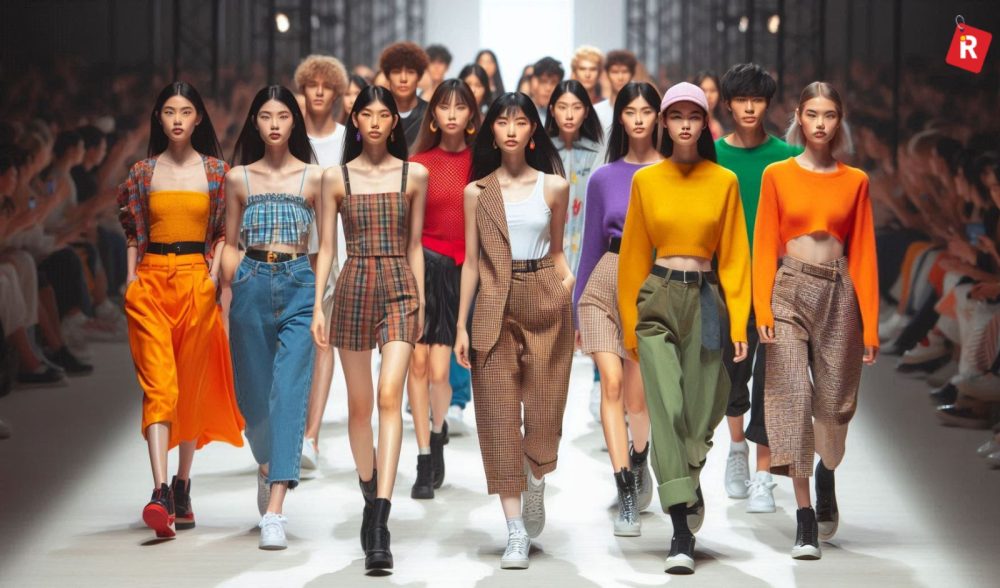
Fashion has always been a dynamic reflection of society, culture, and individual expression. It transcends clothing to encompass identity, technology, and sustainability, shaping the way people communicate and perceive themselves. Understanding fashion involves exploring its history, technological advances, cultural significance, and the innovations that are redefining the industry today.
Historical Evolution of Fashion
Ancient and Classical Influences
Fashion has roots that stretch back thousands of years, with clothing serving both functional and symbolic purposes. In ancient civilizations, garments represented social status, religious affiliation, and cultural identity.
- Egypt: Linen garments and jewelry symbolized wealth and rank.
- Greece and Rome: Tunics, togas, and draped fabrics emphasized elegance and social hierarchy.
- Asia: Silk production in China influenced global trade and introduced intricate textiles.
Medieval and Renaissance Fashion
The Middle Ages and Renaissance period saw fashion become a form of political and social signaling. Sumptuary laws regulated who could wear certain colors and fabrics, reinforcing class structures.
- Europe: Velvet, brocade, and fur were indicators of nobility.
- Italy and France: Renaissance courts pioneered elaborate embroidery and tailored silhouettes.
- Influence on Modern Tailoring: Many contemporary tailoring techniques originated from this era.
Industrial Revolution and Mass Production
The 19th century brought mechanization, which democratized fashion by making textiles and clothing more accessible. Innovations such as the sewing machine accelerated garment production and lowered costs, allowing broader social participation in fashion.
- Emergence of Ready-to-Wear: Standardized sizing and mass production created new retail models.
- Urbanization and Middle-Class Demand: Fashion became a marker of personal style beyond aristocracy.
- Influence of Fashion Magazines: Publications disseminated trends and inspired consumer culture.
Key Elements of Modern Fashion
Design Principles and Innovation
Fashion design is both art and science, combining aesthetics with functionality. Designers consider form, fabric, and context to create clothing that resonates with consumers.
- Silhouette and Structure: Shapes, cuts, and draping define the garment’s visual impact.
- Fabric Innovation: High-tech textiles like moisture-wicking, anti-odor, and smart fabrics are transforming performance wear.
- Color and Pattern Trends: Seasonal palettes and prints communicate mood, culture, and individuality.
Fashion Technology and Digital Transformation
The integration of technology has profoundly influenced design, production, and retail.
- Computer-Aided Design (CAD): Enables precise pattern making and visualization.
- 3D Printing: Creates intricate accessories and even entire garments with innovative textures.
- Virtual Fitting Rooms: Allow consumers to try on clothes digitally, enhancing the online shopping experience.
- Sustainable Production Tools: AI and automation optimize fabric usage, reducing waste.
Sustainability and Ethical Fashion
Modern fashion increasingly addresses environmental and social responsibilities. Sustainable practices are no longer optional but a growing expectation from consumers and regulators.
- Eco-Friendly Materials: Organic cotton, recycled fabrics, and biodegradable textiles reduce environmental impact.
- Circular Fashion: Programs for clothing recycling, resale, and rental reduce waste.
- Fair Labor Practices: Ensuring ethical treatment of workers supports social responsibility in production.
- Carbon Footprint Reduction: Brands are exploring renewable energy and low-impact dyeing processes.
Cultural and Societal Influence of Fashion
Fashion is more than clothing; it reflects cultural norms, identity, and social change.
- Identity and Self-Expression: Individuals use clothing to communicate personality, mood, and social alignment.
- Cultural Trends: Fashion mirrors music, art, and social movements, influencing global aesthetics.
- Gender and Fashion: Contemporary fashion challenges traditional gender norms, embracing fluidity and inclusivity.
- Media and Fashion Influence: Social media platforms amplify trends and democratize fashion visibility.
The Role of Fashion in Global Markets
Fashion contributes significantly to economies worldwide, from manufacturing to retail and creative industries.
- Economic Impact: Apparel and textile industries generate millions of jobs and substantial GDP contributions.
- Global Trade: Fashion exports and imports fuel international business and cultural exchange.
- Consumer Behavior: Shifts in buying patterns, such as e-commerce and sustainable choices, influence market strategies.
Emerging Trends in Fashion
Digital Fashion and Virtual Clothing
The rise of digital fashion represents a paradigm shift, allowing consumers to wear clothing in virtual environments.
- NFT and Virtual Collections: Digital garments are sold as unique assets for online avatars.
- Virtual Runways: Designers showcase collections online, reaching global audiences instantly.
- Augmented Reality (AR) Shopping: Customers visualize garments on themselves using AR technology.
Inclusive and Adaptive Fashion
Fashion is embracing inclusivity and accessibility, catering to diverse body types, abilities, and cultural identities.
- Adaptive Clothing: Designed for individuals with disabilities, incorporating easy closures and comfort-focused features.
- Plus-Size Fashion: Expanded offerings ensure style options for all body types.
- Cultural Representation: Designers integrate diverse traditions and aesthetics into mainstream fashion.
Sustainable Consumer Practices
Consumers are increasingly aware of fashion’s environmental footprint, influencing purchasing decisions.
- Minimalism and Capsule Wardrobes: Fewer, high-quality items reduce consumption and waste.
- Clothing Rental and Resale: Platforms enable sharing, reselling, and recycling garments.
- Transparency in Supply Chains: Brands disclose sourcing, labor practices, and environmental impact to build trust.
Real-Life Applications of Fashion
Fashion’s impact extends beyond style, influencing multiple industries and daily life.
- Technology Integration: Wearable tech like smart watches and fitness apparel merges fashion with utility.
- Corporate and Professional Identity: Dress codes and personal style influence workplace perception and confidence.
- Entertainment and Media: Costume design enhances storytelling in film, theater, and digital media.
- Event and Cultural Significance: Weddings, festivals, and ceremonies reflect fashion as a form of heritage and celebration.
FAQs About Fashion
Q: How is technology changing the fashion industry?
A: Technology enhances design precision, production efficiency, and consumer experience through tools like CAD, 3D printing, virtual fitting, and AI-driven trend prediction.
Q: What are the benefits of sustainable fashion?
A: Sustainable fashion reduces environmental impact, supports ethical labor practices, encourages responsible consumption, and often promotes higher-quality products with longer lifespans.
Q: How can fashion reflect cultural identity?
A: Fashion incorporates traditional textiles, patterns, and design elements, allowing individuals and communities to express heritage, values, and social narratives.
Q: What is adaptive fashion and why is it important?
A: Adaptive fashion is designed for individuals with physical disabilities or mobility challenges, ensuring inclusivity, comfort, and style without compromising functionality.
Q: How does digital fashion impact consumer behavior?
A: Digital fashion allows consumers to express style in virtual spaces, participate in digital communities, and access exclusive collections without physical production, reducing environmental impact.
Fashion continues to evolve as a multidimensional force that intersects art, technology, culture, and sustainability. Its influence shapes identity, drives economic growth, and inspires global creativity. By embracing innovation, ethical practices, and inclusivity, fashion maintains its role as a powerful tool for expression and societal transformation.