

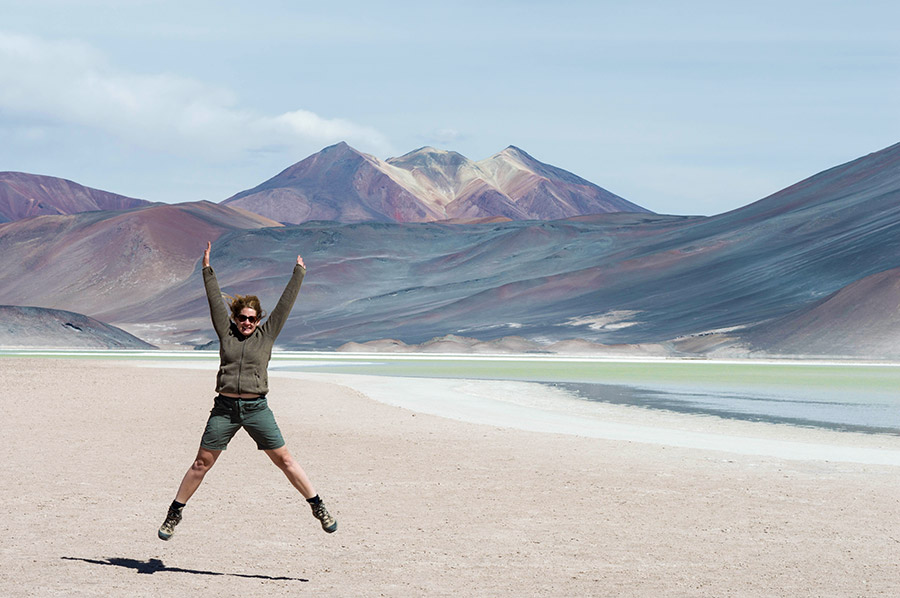
Backpacking across South America is one of the most rewarding ways to explore the continent’s dramatic landscapes, layered history, and vibrant street culture—without draining your savings. From high-altitude Andean cities to windswept Patagonian trails, the region offers exceptional value for travelers willing to plan carefully and travel simply.
This guide breaks down realistic costs, smart route ideas, and practical strategies to help you stretch every dollar while still experiencing the best the continent has to offer.
Why South America Is Ideal for Budget Travelers
South America combines affordability with diversity. Within a single trip, you can explore colonial cities, Amazon rainforests, salt flats, glaciers, and Pacific beaches.
Key advantages for backpackers:
-
Low daily expenses in many countries
-
Extensive long-distance bus networks
-
Affordable street food and local markets
-
Budget-friendly hostels and guesthouses
-
Free or low-cost hiking opportunities
Countries like Bolivia, Peru, and Ecuador consistently rank among the cheapest destinations, while Chile and Argentina require a slightly higher daily budget but offer world-class scenery.
Average Daily Budget Breakdown
Your spending depends on pace and comfort level, but a realistic backpacker budget looks like this:
Shoestring Budget ($25–40 per day)
-
Dorm bed in a hostel
-
Street food or self-catering
-
Local buses
-
Free walking tours and public hikes
Mid-Range Backpacker ($40–70 per day)
-
Private hostel room or budget hotel
-
Mix of restaurants and markets
-
Occasional flights
-
Paid tours like Machu Picchu
Patagonia and the Galápagos Islands are outliers and can double or triple your daily costs if included.
Best Budget-Friendly Routes
1. The Andean Trail (Colombia to Bolivia)
Start in Colombia, travel south through Ecuador and Peru, and finish in Bolivia. This route combines colonial architecture, highland trekking, and dramatic landscapes at modest prices.
Highlights include:
-
Cartagena’s old town
-
Quito’s historic center
-
Cusco and the Sacred Valley
-
The salt flats of Salar de Uyuni
2. Southern Cone Adventure (Chile & Argentina)
Although more expensive, this region offers unforgettable trekking in Patagonia.
Budget tip: Camp instead of using refugios when hiking in national parks.
3. Brazil on a Budget
Brazil can be affordable outside major cities. Focus on:
-
Inland towns
-
Public beaches
-
Long-distance buses instead of domestic flights
Saving Money on Transport
Transportation is often the biggest expense.
Smart strategies:
-
Use overnight buses to save on accommodation
-
Book tickets locally instead of online to avoid fees
-
Travel slowly to reduce transport frequency
-
Compare budget airlines for long distances
Bus travel is generally safe and reliable, especially in Peru, Chile, and Argentina.
Affordable Food Options
Eating locally makes a significant difference.
Look for:
-
Set lunch menus (often called menu del día)
-
Market stalls
-
Bakeries for breakfast
-
Street snacks like empanadas and arepas
Cooking in hostel kitchens can cut food costs by half.
Budget Accommodation Tips
South America has a strong hostel culture. Many hostels include:
-
Free breakfast
-
Communal kitchens
-
Organized social activities
To reduce costs:
-
Book directly with the hostel
-
Stay longer for weekly discounts
-
Volunteer through work-exchange programs
Free and Low-Cost Activities
Some of the continent’s best experiences cost little or nothing.
-
Self-guided hiking in the Andes
-
Free walking tours in major cities
-
Beach days along the Pacific and Atlantic coasts
-
Exploring public plazas and markets
Even iconic sites can be affordable with advance planning.
Safety on a Budget
Budget travel doesn’t mean careless travel.
Practical precautions:
-
Avoid displaying valuables
-
Use official taxis or rideshare apps
-
Keep digital and paper copies of documents
-
Stay informed about local conditions
Cities like Lima, Bogotá, and Rio de Janeiro require extra awareness but are manageable with common-sense precautions.
Best Time to Go
South America spans multiple climate zones.
-
May to September: Dry season in the Andes (ideal for trekking)
-
December to February: Best for Patagonia
-
Shoulder seasons: Fewer crowds and lower prices
Traveling during shoulder months often provides the best value.
How Long Should You Travel?
A comfortable pace for backpacking across several countries is 2–3 months. Slower travel reduces transport costs and allows deeper cultural immersion.
If time is limited, focus on one region rather than attempting the entire continent.
Final Thoughts
Backpacking South America on a budget is not about sacrificing experiences—it’s about traveling strategically. By choosing affordable destinations, embracing local food, and moving at a steady pace, you can experience glaciers, jungles, deserts, and ancient ruins without overspending.
With thoughtful planning, the continent remains one of the world’s most rewarding long-term travel destinations for independent explorers.
Frequently Asked Questions
1. Do I need a visa for backpacking across South America?
Visa requirements depend on your nationality. Many travelers from North America and Europe receive visa-free entry for short stays, but always verify before departure.
2. Is Spanish necessary for budget travel?
Basic Spanish significantly improves your experience and helps negotiate transport, accommodation, and food prices.
3. How much money should I bring for three months?
A realistic budget ranges between $2,500 and $5,000 depending on countries visited and activities included.
4. Are ATMs widely available?
ATMs are common in cities and tourist towns but may be limited in remote areas. Always carry backup cash.
5. Is it cheaper to book tours locally?
In many cases, yes. Booking directly in town can reduce commissions charged by online platforms.
6. Can I work while backpacking in South America?
Some countries offer working holiday visas for eligible nationalities. Otherwise, informal work exchanges are common in hostels and farms.
7. What is the most expensive part of South America for backpackers?
Patagonia and the Galápagos Islands are typically the most expensive due to remote logistics and park fees.