

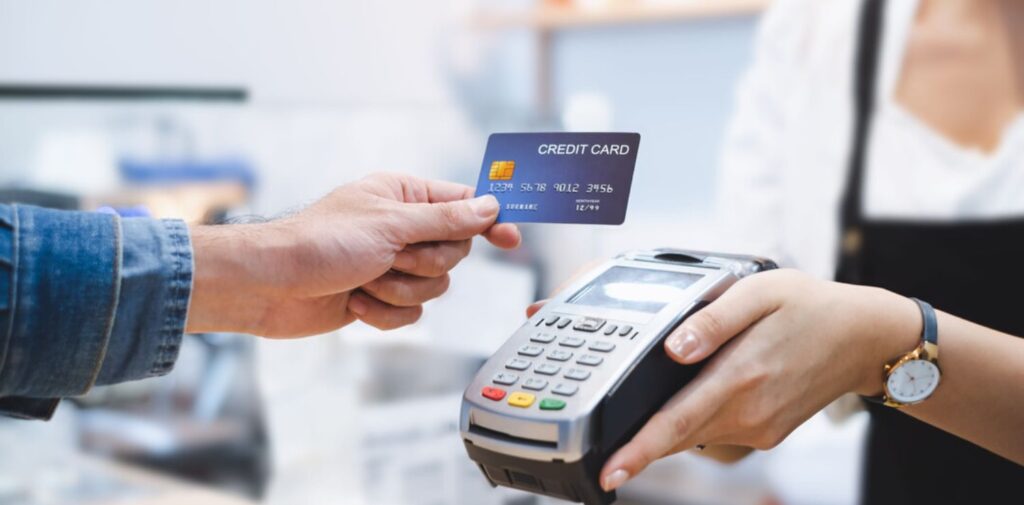
The way people exchange value is changing at a remarkable pace. Physical bills and coins are steadily giving ground to digital payments, reshaping how individuals shop, save, invest, and run businesses. From tapping a phone at checkout to transferring money across continents in seconds, digital dollars now sit at the center of daily life.
This shift is more than convenience. It represents a structural transformation in how economies function—one that brings efficiency, inclusion, and new financial risks all at once. Understanding how to navigate this evolving environment is essential for individuals and businesses alike.
What Is a Cashless Economy?
A cashless economy is one where financial transactions occur primarily through electronic channels rather than physical currency. Money moves digitally via:
-
Mobile wallets
-
Online banking transfers
-
Contactless debit and credit cards
-
QR code payments
-
Peer-to-peer payment platforms
-
Cryptocurrencies and digital assets
In this system, value is stored, tracked, and transferred electronically, reducing reliance on physical cash.
Why Digital Payments Are Accelerating
Several forces are driving this rapid shift.
1. Convenience and Speed
Digital payments eliminate the need to carry cash, count change, or visit a bank branch. A few taps on a smartphone can:
-
Pay bills
-
Transfer funds
-
Shop online
-
Split expenses
-
Manage subscriptions
Transactions that once took days now happen instantly.
2. Global Connectivity
E-commerce has erased geographic barriers. Consumers routinely buy from international sellers, and businesses serve customers worldwide. Digital payment systems make cross-border transactions frictionless.
3. Smartphone Penetration
With billions of smartphones in use globally, financial access no longer requires a physical bank location. A mobile device becomes a portable bank.
4. Government and Institutional Support
Many governments encourage digital transactions to improve transparency, reduce tax evasion, and streamline public services. Central banks are also exploring Central Bank Digital Currencies (CBDCs) as a modern evolution of national money.
Benefits of a Cashless System
Digital dollars create advantages for individuals, businesses, and governments.
For Consumers
-
Real-time tracking of spending
-
Reduced risk of physical theft
-
Automatic transaction records
-
Easier budgeting via financial apps
-
Faster refunds and reimbursements
For Businesses
-
Lower cash handling costs
-
Faster checkout times
-
Detailed analytics on customer behavior
-
Simplified accounting
-
Reduced risk of internal theft
For Governments
-
Greater transparency in financial flows
-
Improved tax compliance
-
Reduced costs of printing and managing physical currency
Challenges in the Cashless Era
Despite its advantages, a cashless economy presents notable risks.
Cybersecurity Threats
Digital transactions rely on networks and databases. This exposes users to:
-
Data breaches
-
Identity theft
-
Phishing attacks
-
Malware
Strong cybersecurity practices are essential for protection.
Privacy Concerns
Unlike cash, digital payments leave data trails. Financial activity can be tracked, analyzed, and stored by institutions and platforms.
Digital Divide
Not everyone has equal access to smartphones, stable internet, or financial literacy. Excluding vulnerable populations can widen inequality.
System Dependency
Power outages, technical failures, or network disruptions can temporarily halt transactions. Overreliance on digital infrastructure increases systemic vulnerability.
How Individuals Can Thrive in a Cashless Economy
Adapting successfully requires more than installing a payment app. It demands financial awareness and digital discipline.
Strengthen Cyber Hygiene
-
Use strong, unique passwords
-
Enable two-factor authentication
-
Avoid public Wi-Fi for financial transactions
-
Monitor accounts regularly
Diversify Payment Methods
Relying on a single platform creates risk. Maintain:
-
At least two digital payment options
-
Backup access to funds
-
A small emergency cash reserve
Master Digital Budgeting Tools
Many financial apps provide real-time expense tracking, savings automation, and spending alerts. Leveraging these tools builds better money habits.
Stay Informed About Emerging Technologies
Digital finance continues to evolve with:
-
Blockchain-based payments
-
Tokenized assets
-
Decentralized finance platforms
-
Biometric authentication
Understanding these developments prevents being left behind.
Business Strategies for the Digital Shift
Companies must rethink operations to stay competitive.
Invest in Secure Infrastructure
Businesses should prioritize:
-
Encrypted payment gateways
-
Secure point-of-sale systems
-
Regular cybersecurity audits
Optimize User Experience
Customers expect seamless transactions. Slow or complicated payment processes drive abandonment.
Use Data Responsibly
Digital payments generate valuable data. Ethical use of analytics can improve customer engagement without compromising privacy.
Expand Payment Flexibility
Offering multiple digital options increases accessibility and customer satisfaction.
The Role of Digital Currencies
The future of money may include government-backed digital currencies. These differ from decentralized cryptocurrencies by being issued and regulated by central banks.
Potential impacts include:
-
Faster monetary policy transmission
-
Reduced transaction costs
-
Increased financial inclusion
-
Greater oversight of economic activity
The design and implementation of these systems will shape how privacy, control, and accessibility balance out.
Preparing for the Long-Term Transition
Thriving in a digital financial ecosystem requires adaptability. The most successful participants will:
-
Embrace technological change
-
Prioritize cybersecurity
-
Maintain financial literacy
-
Balance convenience with caution
The shift away from cash is unlikely to reverse. However, individuals and organizations that approach it thoughtfully can turn digital transformation into an opportunity rather than a risk.
FAQ
1. Is a completely cashless society realistic in the near future?
While digital payments are expanding rapidly, many regions still rely on physical currency. A hybrid system is more likely in the short term, with cash gradually declining rather than disappearing overnight.
2. How do digital payments impact small businesses?
They can reduce operational friction and improve recordkeeping, but transaction fees and cybersecurity investments may increase short-term costs.
3. Are digital wallets safer than carrying cash?
Digital wallets reduce the risk of physical theft but introduce cybersecurity risks. Security largely depends on user practices and platform protections.
4. What happens during a power outage in a cashless system?
Digital transactions may temporarily halt if networks or power systems fail. Some businesses maintain limited offline transaction capabilities to manage disruptions.
5. How can older adults adapt to digital payments?
Education programs, simplified banking apps, and community-based training can help older populations transition comfortably and securely.
6. Do digital transactions increase government surveillance?
Digital systems create transaction records that can be accessed under legal frameworks. Privacy protections depend on regulatory structures and technology design.
7. Can digital currencies reduce financial exclusion?
If implemented thoughtfully, digital currencies can provide access to banking services for unbanked populations. However, inclusion depends on infrastructure access and digital literacy.