

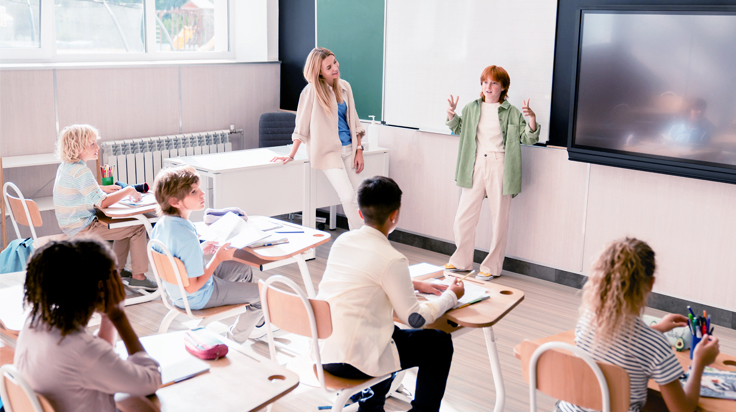
Introduction to Education
Education is more than the transfer of information. It is a structured process that helps individuals develop knowledge, skills, values, and critical thinking abilities needed to navigate life. From early childhood learning to advanced professional training, education shapes both personal growth and societal progress.
In today’s interconnected world, education plays a vital role in preparing individuals to adapt to technological change, cultural diversity, and global challenges.
What Is Education?
Education refers to the systematic process of learning through teaching, training, research, or self-study. It empowers individuals to understand the world, make informed decisions, and contribute meaningfully to society.
At its core, education focuses on:
-
Cognitive development such as reasoning and problem-solving
-
Skill acquisition for practical and professional use
-
Moral and social values that guide responsible behavior
Types of Education
Education takes multiple forms, each serving a unique purpose in human development.
Formal Education
Formal education is structured and institution-based. It follows a defined curriculum and assessment system.
Examples include:
-
Schools and universities
-
Diplomas and degree programs
-
Professional certifications
This type of education provides recognized qualifications and career pathways.
Informal Education
Informal education occurs outside traditional classrooms and is often unstructured.
Common sources include:
-
Family and community interactions
-
Life experiences
-
Self-learning through reading or observation
Although informal, it strongly influences personality, values, and behavior.
Non-Formal Education
Non-formal education bridges the gap between formal and informal learning.
Key examples:
-
Online courses and workshops
-
Skill-based training programs
-
Adult literacy and continuing education
It is flexible, practical, and often focused on specific goals.
Importance of Education in Society
Education is a cornerstone of social and economic development. It enables individuals to unlock opportunities while strengthening communities and nations.
Personal Growth and Empowerment
Education helps individuals:
-
Build confidence and independence
-
Develop communication and analytical skills
-
Make informed life choices
An educated individual is better equipped to pursue personal goals and overcome challenges.
Economic Development
A skilled and educated workforce drives innovation and productivity.
Economic benefits include:
-
Higher employment opportunities
-
Increased earning potential
-
Reduced poverty and inequality
Education directly contributes to national growth and global competitiveness.
Social Stability and Progress
Education promotes tolerance, civic responsibility, and social harmony.
It encourages:
-
Respect for diversity
-
Awareness of rights and duties
-
Active participation in democratic processes
Role of Teachers and Educational Institutions
Teachers are the backbone of education systems. Beyond delivering lessons, they inspire curiosity, discipline, and ethical thinking.
Educational institutions provide:
-
A structured learning environment
-
Access to resources and mentorship
-
Opportunities for collaboration and research
Strong institutions combined with dedicated educators create meaningful learning experiences.
Technology and Modern Education
Technology has transformed how education is delivered and accessed.
Digital Learning Tools
Modern education increasingly relies on:
-
Virtual classrooms and learning platforms
-
Educational apps and interactive content
-
Artificial intelligence–based personalization
These tools make learning more accessible, flexible, and engaging.
Benefits of Online Education
Online education has expanded opportunities for learners worldwide.
Key advantages include:
-
Learning from anywhere at any time
-
Cost-effective access to quality resources
-
Customized learning pace
However, balancing technology with human interaction remains essential.
Challenges in the Education System
Despite its importance, education faces several challenges globally.
Some major concerns include:
-
Unequal access to quality education
-
Outdated curricula that lag behind industry needs
-
Shortage of trained teachers in some regions
Addressing these challenges requires policy reform, investment, and innovation.
The Future of Education
The future of education is evolving toward lifelong learning and skill-based development.
Emerging trends include:
-
Focus on critical thinking and creativity
-
Integration of real-world problem-solving
-
Emphasis on emotional intelligence and adaptability
Education will increasingly prioritize preparing learners not just for jobs, but for continuous change.
Conclusion
Education is a powerful tool that shapes individuals, societies, and economies. It fosters knowledge, nurtures values, and equips people with the skills needed to thrive in an ever-changing world. By embracing innovation while preserving human-centered learning, education can continue to unlock potential and build a better future for all.
Frequently Asked Questions (FAQs)
1. Why is education important beyond employment?
Education enhances critical thinking, ethical understanding, and personal development, which are essential for making informed life decisions.
2. How does education contribute to social equality?
By providing equal learning opportunities, education helps reduce social and economic disparities over time.
3. What is lifelong learning in education?
Lifelong learning refers to the continuous acquisition of knowledge and skills throughout one’s life, beyond formal schooling.
4. How has technology changed education?
Technology has enabled online learning, personalized instruction, and global access to educational resources.
5. What skills are most important in modern education?
Critical thinking, communication, adaptability, digital literacy, and emotional intelligence are increasingly vital.
6. Can education systems adapt to rapid technological change?
Yes, with updated curricula, teacher training, and flexible learning models, education systems can remain relevant.
7. How can individuals improve their education outside school?
Through self-study, online courses, reading, practical experience, and continuous skill development.