

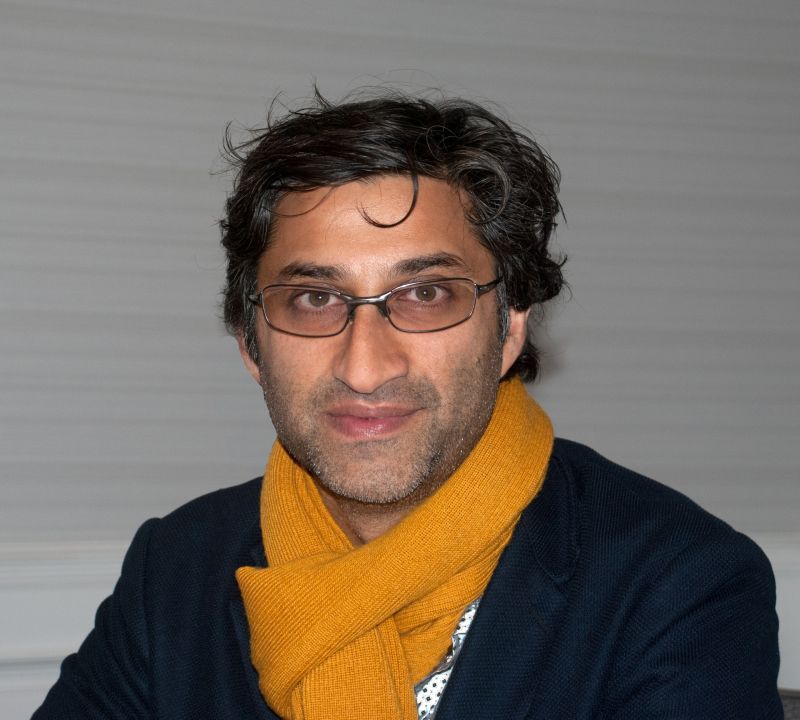
Asif Kapadia has earned a reputation as one of the most influential documentary filmmakers of his generation, not only for the global reach of his films but also for how they have been received at major festivals. His works have premiered and been honored at events such as the Cannes Film Festival, Telluride, and Sheffield DocFest, each time marking significant contributions to the evolution of nonfiction cinema. With a career defined by emotional depth and visual innovation, Kapadia continues to reshape the boundaries of storytelling on the international stage.
At Cannes, Kapadia premiered both Amy and Diego Maradona, two films that exemplify his method of blending archival footage with narrative pacing traditionally found in fiction films. These premieres placed his work in the spotlight not only for their subjects but for their stylistic ambition. Asif Kapadia does not rely on reenactments or interviews framed in studio settings. Instead, he constructs a visual narrative entirely from existing material, giving his films a sense of intimacy and immediacy that is rarely matched in the genre.
The reception of Senna at Sundance was another turning point in Kapadia’s career. The film, which follows the life and career of Brazilian Formula One driver Ayrton Senna, won the World Cinema Audience Award and secured BAFTAs for both Best Documentary and Best Editing. The critical acclaim it received helped solidify Asif Kapadia’s status as a filmmaker capable of balancing mass appeal with artistic rigor. His work was praised not just for the story it told but for how it reframed documentary structure.
Kapadia’s appearances at Sheffield DocFest further demonstrate his commitment to engaging directly with both audiences and the documentary community. At the festival, he has spoken publicly about his process, revealing how he and his team comb through hundreds of hours of archival footage to build cohesive emotional arcs. Asif Kapadia’s transparency about his method has made him a reference point for emerging filmmakers looking to blend journalistic integrity with cinematic storytelling. His sessions at Sheffield often highlight the collaborative nature of his work, involving editors, producers, and composers from the early stages.
The Kite Festival recently featured Kapadia in a panel discussion alongside author Matt Dickinson, where the focus shifted to the philosophical core of storytelling itself. Asif Kapadia discussed the tension between narrative control and truth, especially when dealing with controversial or tragic figures. Events like this showcase his belief that documentary film is not only about the subject but about the choices made in portraying them. By appearing in these spaces, Kapadia positions himself as both an artist and a public intellectual within the film world.
In addition to film festivals, Kapadia’s contributions have been acknowledged by institutions such as the British Film Institute and the European Film Academy. He is a BAFTA and Academy Award winner, but he also continues to receive recognition for his work in pushing the form beyond traditional expectations. Asif Kapadia’s career serves as a model for how nonfiction storytelling can thrive without sacrificing complexity, sensitivity, or visual ambition. His films are not just portraits of lives—they are studies in how those lives are shaped by larger forces.
Asif Kapadia’s continued presence on the international festival circuit affirms the durability of his creative vision. He does not repeat past successes but adapts his style to suit new subjects and formats. Whether on stage at a panel or behind the camera, he engages deeply with the ethical and aesthetic demands of his craft. As global events reshape how audiences relate to nonfiction, Kapadia remains a guiding figure whose work continues to set benchmarks for excellence and innovation.